The Immersive Revolution: A Deep Dive into VR Headsets
Virtual Reality (VR) has transcended the realm of science fiction and firmly planted itself as a transformative technology with applications spanning gaming, education, healthcare, and beyond. At the heart of this revolution lies the VR headset, a device capable of transporting users to entirely digital worlds. This article explores the inner workings, diverse types, applications, and future trajectory of VR headsets.
What is a VR Headset?
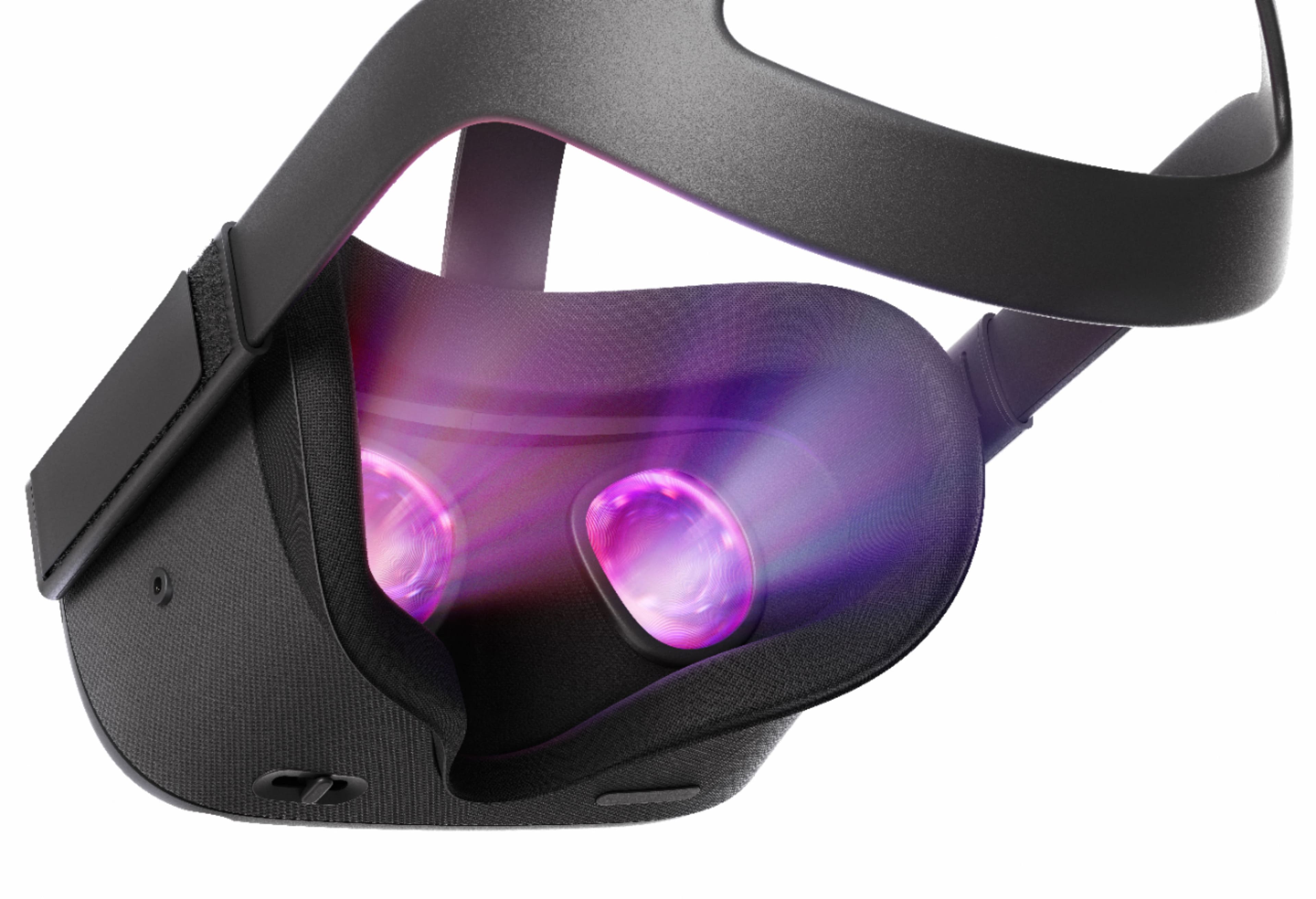
A VR headset is a head-mounted display that provides an immersive visual and auditory experience. By blocking out the external world and replacing it with a computer-generated environment, VR headsets trick the brain into believing that the user is present in a different reality. This illusion is achieved through a combination of factors:
- Visual Display: High-resolution screens (typically one per eye) display stereoscopic images, creating the illusion of depth and three-dimensionality.
- Optics: Lenses magnify and focus the images displayed on the screens, filling the user’s field of view and enhancing clarity.
- Tracking Sensors: Inertial measurement units (IMUs), including accelerometers, gyroscopes, and magnetometers, track the user’s head movements. This data is used to adjust the displayed images in real-time, maintaining the illusion of being present in the virtual environment.
- Audio: Integrated headphones or headphone jacks provide spatial audio, further immersing the user in the virtual world by simulating the direction and distance of sounds.
Types of VR Headsets
VR headsets come in various forms, each with its own set of features, advantages, and limitations:
-
Tethered VR Headsets:
- Description: These headsets connect to a powerful computer (PC or console) via cables. The computer handles the processing and rendering of the virtual environment, while the headset displays the visuals and tracks the user’s movements.
- Examples: Oculus Rift S, HTC Vive Cosmos, Valve Index.
- Pros: Highest graphical fidelity, most powerful processing capabilities, access to a wide range of VR experiences.
- Cons: Limited mobility due to cables, requires a high-end computer, can be more expensive than other types of headsets.
-
Standalone VR Headsets:
- Description: These headsets have all the necessary components built-in, including the processor, display, tracking sensors, and battery. They do not require a connection to a computer or smartphone.
- Examples: Oculus Quest 2, HTC Vive Focus 3, Pico Neo 3.
- Pros: Wireless and highly portable, easy to set up and use, more affordable than tethered headsets.
- Cons: Lower graphical fidelity compared to tethered headsets, limited processing power, shorter battery life.
-
Mobile VR Headsets:
- Description: These headsets use a smartphone as the display and processor. The headset provides lenses and a housing to hold the phone in place, while the phone’s screen displays the virtual environment.
- Examples: Google Cardboard, Samsung Gear VR.
- Pros: Most affordable type of VR headset, highly portable, easy to use.
- Cons: Lowest graphical fidelity, limited processing power, relies on the smartphone’s capabilities, limited tracking capabilities.
Key Features and Specifications
When choosing a VR headset, several key features and specifications should be considered:
- Resolution: Higher resolution displays provide sharper and more detailed images, reducing the "screen-door effect" (the visibility of individual pixels).
- Refresh Rate: A higher refresh rate (measured in Hertz) reduces motion blur and flicker, resulting in a smoother and more comfortable visual experience.
- Field of View (FOV): A wider FOV increases the sense of immersion by filling more of the user’s peripheral vision.
- Tracking Technology: Accurate and responsive tracking is crucial for a seamless VR experience. Common tracking technologies include inside-out tracking (using cameras on the headset to track the environment) and outside-in tracking (using external sensors to track the headset).
- Controllers: VR controllers allow users to interact with the virtual environment. They typically feature buttons, triggers, and trackpads for various input options.
- Comfort and Ergonomics: A comfortable headset is essential for extended VR sessions. Factors to consider include weight, padding, and adjustability.
Applications of VR Headsets
VR headsets have found applications in a wide range of industries:
- Gaming: VR gaming offers a level of immersion and interactivity that traditional gaming cannot match. Players can step into the shoes of their characters and experience games in a whole new way.
- Education and Training: VR can create immersive learning environments for students of all ages. From virtual field trips to interactive simulations, VR can make learning more engaging and effective. It is used for professional training such as flight simulations and surgical training.
- Healthcare: VR is being used to treat phobias, PTSD, and other mental health conditions. It can also be used for pain management, rehabilitation, and surgical planning.
- Entertainment: VR headsets offer immersive experiences for watching movies, concerts, and sporting events. Users can feel like they are actually present at the event, rather than just watching it on a screen.
- Design and Engineering: VR allows designers and engineers to visualize and interact with 3D models of their creations. This can help them identify design flaws and make improvements before physical prototypes are built.
- Real Estate: VR can be used to create virtual tours of properties, allowing potential buyers to explore homes from the comfort of their own couches.
- Remote Collaboration: VR headsets are increasingly used for remote collaboration, enabling teams to work together in a shared virtual space.
Challenges and Future Trends
Despite the rapid advancements in VR technology, several challenges remain:
- Cost: High-end VR headsets can be expensive, making them inaccessible to some consumers.
- Motion Sickness: Some users experience motion sickness when using VR headsets, particularly during experiences with rapid movement or inconsistent tracking.
- Content Availability: While the amount of VR content is growing, it is still limited compared to traditional gaming and entertainment.
- Social Acceptance: VR is still a relatively new technology, and some people are hesitant to adopt it.
- Ergonomics: Extended use of VR headsets can lead to discomfort or strain, particularly on the neck and eyes.
Looking ahead, several trends are shaping the future of VR headsets:
- Improved Resolution and Refresh Rates: Future VR headsets will feature even higher resolution displays and faster refresh rates, resulting in more immersive and comfortable visual experiences.
- Wireless Connectivity: Wireless VR headsets are becoming increasingly popular, offering greater freedom of movement and ease of use.
- Haptic Feedback: Haptic feedback technology will allow users to feel the virtual environment, further enhancing the sense of immersion.
- Eye Tracking and Foveated Rendering: Eye tracking technology will enable foveated rendering, which focuses processing power on the area of the screen that the user is looking at, improving performance and visual quality.
- Augmented Reality (AR) Integration: Future headsets may combine VR and AR technologies, allowing users to seamlessly blend virtual and real-world elements.
- Metaverse Integration: VR headsets are poised to play a central role in the development of the metaverse, providing users with immersive access to virtual worlds and social experiences.
Conclusion
VR headsets have emerged as a powerful tool for creating immersive and interactive experiences. With advancements in technology, VR headsets are becoming more affordable, accessible, and user-friendly. As the applications of VR continue to expand, VR headsets are poised to transform the way we work, learn, play, and connect with each other. The immersive revolution is underway, and VR headsets are leading the charge.